October 1, 2026
Rainwater catchment systems provide a practical way to collect and store water for later use. These systems rely on a combination of roof surfaces, gutters, downspouts, filters, storage components, and distribution equipment to move rainfall from where it lands into a controlled storage area. A catchment tank serves as the central storage component, holding water until it is needed. Understanding how the process works can help property owners make better decisions about system placement, maintenance, capacity, and water use. Each stage, from the first contact with the roof to the final storage process, plays an important role in determining how much water is collected and how effectively it can be retained.
Collecting Rainwater From the Roof
The collection process begins when rain falls onto a roof or another designated catchment surface. Roofs are commonly used because they provide a broad surface area that can direct water toward gutters and downspouts. As rainfall spreads across the roof, gravity moves it downward toward the edges, where the collection system begins guiding it toward storage. The size, slope, condition, and material of the roof can all influence how efficiently water moves through the system.
Roof area also affects the amount of water that can potentially be collected. According to 2030palette.org, about 7.37 liters (0.46 gallons) of rainwater can be gathered per square meter of roof surface when 1 cm (0.4 inches) of rain falls. Larger roof surfaces therefore have the potential to collect more water during the same rainfall event. Understanding this relationship can help property owners estimate storage needs and determine whether the existing collection area is appropriate for the amount of water they hope to capture.
Directing Water Through the Gutters
Once rain reaches the lower edge of the roof, gutters direct it toward downspouts. Properly installed gutters help keep water moving in the intended direction instead of allowing it to spill over roof edges or collect in unwanted areas. Their slope is important because water needs a clear path toward the downspout. Gutters that sag, clog, or sit at an incorrect angle may reduce the efficiency of the collection process.
Leaves, twigs, dirt, and other debris can also interfere with water movement. Keeping gutters clean helps maintain a steady flow during rainfall and reduces the chance that blockages will interrupt the system. When gutters function correctly, they form an important link between the roof and the catchment tank by concentrating water from a large surface area into a smaller number of controlled drainage points.
Moving Water Through the Downspouts
After water enters the gutters, downspouts carry it vertically toward the storage system. These pipes help move water quickly and efficiently from the roofline to a lower level, where it can be directed into the tank. Their size and placement should support the amount of water expected during typical rainfall. If a downspout is too narrow or poorly positioned, heavy rain may overwhelm the system and lead to overflow.
Downspouts also need secure connections to the rest of the catchment system. Loose fittings or damaged sections can allow collected water to escape before it reaches storage. In some systems, downspouts may connect directly to piping that leads to the catchment tank, while others may include filters or diverters between these components. Regardless of the exact layout, keeping the route clear and properly connected helps preserve as much collected water as possible.
Filtering Water Before Storage
Before rainwater enters storage, it may pass through one or more filtration components designed to remove larger debris. Screens can help catch leaves, insects, twigs, and other materials that wash off the roof during a storm. This step helps reduce the amount of solid material entering the tank, which can make the stored water easier to manage and help limit buildup inside the system.
Some systems also use first-flush devices that divert the initial portion of rainfall away from the tank. The first water washing across a roof may carry accumulated dust, pollen, or debris, so directing that water elsewhere can help improve the quality of what enters storage afterward. These components work together to protect the catchment tank from unnecessary contamination and reduce the amount of sediment that may eventually settle at the bottom.
Storing Water Inside the Tank
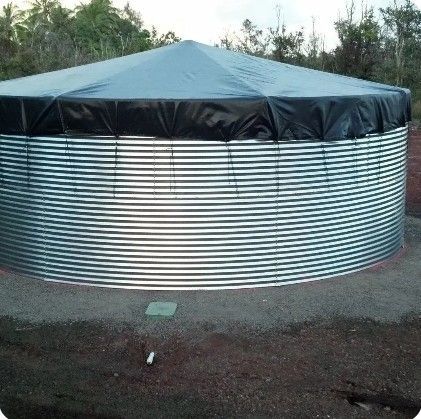
Once collected and filtered, rainwater enters the storage tank. The tank is designed to hold water until it is needed, allowing rainfall from one period to remain available for use later. Capacity varies depending on the system and property, but the general goal is to store enough water to match expected use and local rainfall patterns. A larger tank may be useful in areas where rainfall is less frequent but arrives in heavier bursts.
The catchment tank must also be properly sealed and maintained to protect stored water. Openings should be covered to reduce the risk of insects, debris, or animals entering the system. The tank itself should remain structurally sound so leaks do not reduce the stored supply. Regular inspections can help identify cracks, damaged fittings, loose covers, or other problems that could interfere with long-term water storage.
Controlling Overflow During Heavy Rainfall
A rainwater collection system must be able to manage periods when more water is collected than the tank can hold. Overflow outlets provide a controlled path for excess water once storage capacity has been reached. Without proper overflow management, water may spill around the tank, erode nearby soil, or collect around structures. A planned drainage route helps direct excess water toward a safer location.
Overflow components should remain clear and properly positioned so they can function when needed. Heavy rainfall can fill a catchment tank faster than expected, particularly when the roof collection area is large. Making sure excess water has somewhere to go protects both the tank and the surrounding property. This part of the system is especially important in areas where intense rain events are common.
Protecting Stored Water From Contamination
Once water is stored, protecting it from contamination becomes an important part of system performance. Tank covers, screened vents, sealed access points, and properly fitted connections can help reduce exposure to outside materials. Keeping light out of the tank may also help limit unwanted biological growth in some systems. These protective features work best when they are inspected and maintained regularly.
The surrounding area can also affect stored water quality. Keeping vegetation, soil, trash, and other materials away from tank openings and fittings can reduce the likelihood of contamination. Property owners should also watch for signs of damage after storms or high winds. Maintaining the catchment tank and the components around it helps support cleaner storage and can make routine maintenance easier over time.
Distributing Water for Later Use
Stored water remains inside the tank until it is needed. Depending on the system, gravity, pumps, valves, or piping may be used to move water from storage to its intended destination. The exact setup depends on how the water will be used and where the tank is located in relation to those use points. A well-designed distribution system helps make stored rainwater accessible without wasting the supply.
Routine inspections of pumps, valves, hoses, and other distribution components can help prevent interruptions. Small leaks or loose connections can gradually reduce the amount of stored water available for use. When all parts of the system operate together properly, the catchment tank becomes one part of a larger process that efficiently moves rainwater from the roof to storage and then to its final destination.
Rainwater catchment systems rely on a series of connected steps to collect, direct, filter, store, protect, and distribute water. The roof provides the initial collection surface, gutters and downspouts guide water toward storage, filtration components reduce debris, and the catchment tank holds the supply until it is needed. Overflow controls and protective features help the system operate more reliably during different weather conditions, while regular maintenance supports long-term performance. Understanding how each component works can help property owners recognize why proper design and upkeep matter. For help with catchment systems, water storage, and related services, contact Pool & Tank Specialists of Hawaii.