November 25, 2026
Freshwater security is a growing priority for homeowners, agricultural operations, and rural properties seeking dependable water independence. Relying solely on municipal water lines or unpredictable seasonal rainfall often leaves households vulnerable to rising utility rates and dry spells. Installing a modern water catchment tank captures abundant rainfall right from your roofline and stores it safely for year-round household, garden, and emergency use.
Rainwater harvesting has become an essential part of everyday residential life across island communities and off-grid regions alike. According to CTAHR.Hawaii.edu, roughly 30% of homes in Hawai‘i County rely on rainwater catchment, with usage climbing to 60–70% across certain districts. With proper filtration, durable liners, and smart storage design, collected rainwater provides a reliable, sustainable supply whenever you turn on the tap.
Understanding how modern collection systems work allows property owners to maximize every passing rainstorm efficiently. From reducing monthly water expenses to protecting lush landscaping during dry stretches, well-built storage tanks transform natural precipitation into a dependable long-term asset. Taking time to design a properly sized collection network ensures your home enjoys uninterrupted water access regardless of fluctuating weather patterns.
Capture Abundant Rainfall Directly From Your Roofline
Every rain shower delivers substantial amounts of clean, naturally soft water onto residential and commercial roofs. Without an effective collection system, that valuable runoff simply flows through downspouts and disappears into surrounding soil or storm drains. A properly sized water catchment tank intercepts roof runoff through screened gutters and downspouts, preserving fresh water that would otherwise go completely to waste.
Modern collection setups incorporate leaf screens and first-flush diverters that sweep away twigs, dust, and organic debris before water enters the storage vessel. Keeping initial roof runoff separated ensures cleaner stored water and minimizes sediment buildup along the tank floor. Clean collection methods allow your system to harvest maximum volume during brief tropical downpours and steady seasonal rains alike.
Choosing smooth, non-toxic roofing materials like coated metal or clean architectural shingles further enhances collection efficiency by allowing droplets to sheet rapidly into gutters. Well-pitched gutter runs prevent standing puddles and guide every drop directly toward your storage vessel without overflow losses during intense cloudbursts.
Build Reliable Water Independence During Dry Seasons
Weather patterns frequently fluctuate between heavy wet months and prolonged dry periods that strain local water supplies. Having a dedicated water catchment tank on your property creates a dependable personal reserve that bridges the gap when rainfall slows down. Instead of worrying about municipal water restrictions or depleted wells, your household maintains steady access to stored freshwater.
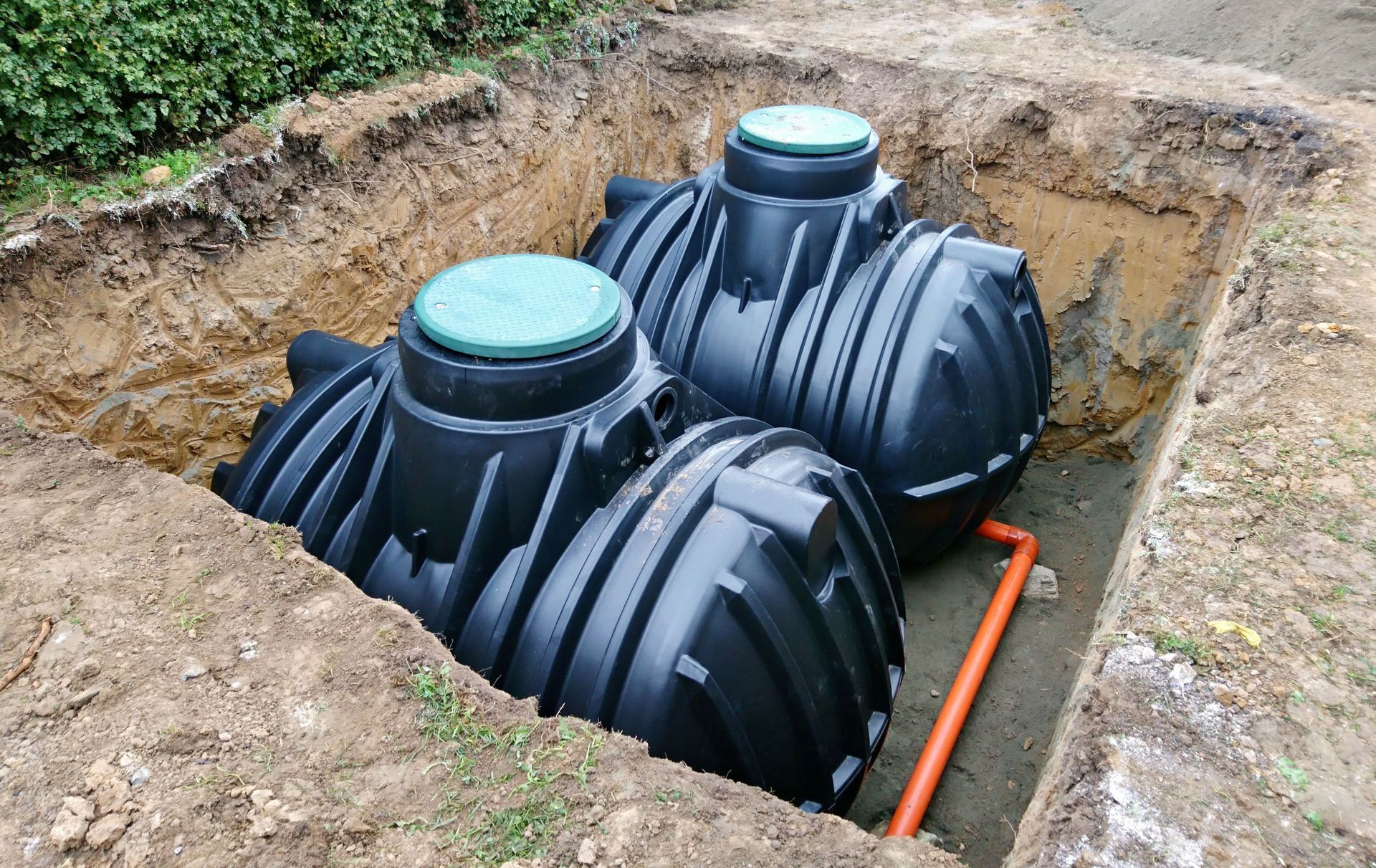
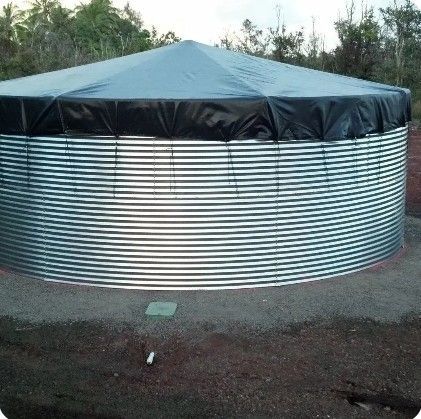
Large-capacity corrugated steel and reinforced polyethylene tanks hold substantial reserves designed to support daily showering, laundry, cooking, and cleaning routines. Proper tank sizing based on local rainfall patterns and roof square footage ensures your supply stays comfortable even during extended dry spells. Storing water during peak rainy seasons guarantees peace of mind when sunny skies linger.
Installing simple level gauges or smart float sensors lets you monitor remaining water volume effortlessly at a glance. Tracking consumption habits during drier stretches helps families conserve wisely while maintaining full daily comfort without unexpected shortages.
Lower Monthly Utility Bills With Sustainable Water Usage
Municipal water rates continue climbing steadily as aging infrastructure and growing demand place pressure on public treatment facilities. Harvesting free rainfall dramatically cuts your reliance on metered utility water, translating directly into noticeable monthly savings. Investing in a quality water catchment tank pays off over time by turning natural weather into an ongoing financial benefit.
Even households connected to county water lines can use harvested rainwater for irrigation, vehicle washing, pool topping, and outdoor cleaning. Offloading heavy outdoor water consumption onto your catchment reserve keeps utility bills manageable throughout the warmest months of the year. Sustainable water management rewards property owners with both lower expenses and reduced strain on local aquifers.
Because rainwater contains virtually zero dissolved minerals or hard calcium deposits, household appliances also last significantly longer. Water heaters, washing machines, and plumbing valves experience far less scale buildup, saving homeowners additional money on costly repairs and premature appliance replacements.
Protect Water Quality With Modern Liners and Filtration
Maintaining clean, fresh stored water requires durable interior liners and multi-stage filtration tailored to local environmental conditions. Food-grade, UV-resistant tank liners prevent algae growth, block sunlight penetration, and keep stored water completely isolated from exterior metal walls. Pairing a sealed water catchment tank with sediment filters, activated carbon cartridges, and ultraviolet disinfection delivers crystal-clear water throughout your home.
Routine visual checks of roof gutters, intake screens, and tank covers keep leaves, insects, and small wildlife out of your water reserve. Modern filtration equipment removes microscopic particles and neutralizes organic odors before water ever reaches indoor plumbing fixtures. Clean storage practices ensure your harvested rainwater stays fresh, safe, and pleasant for everyday family use.
Installing calming inlet diffusers at the bottom of your storage vessel also prevents incoming rainstorms from stirring up settled micro-sediment. Undisturbed water layers allow pump intakes to draw consistently clear, fresh water from the cleanest upper zone of the tank.
Support Healthy Gardens, Orchards, and Livestock Year-Round
Chlorinated municipal water can sometimes stress sensitive tropical plants, vegetable beds, and delicate soil microorganisms over time. Rainwater is naturally free from added chlorine and harsh treatment salts, making it ideal for nourishing vibrant gardens, fruit orchards, and backyard landscaping. Drawing irrigation supply from a dedicated water catchment tank keeps plants thriving even when regional drought advisories limit outdoor watering.
Rural homesteads, farms, and equestrian properties also benefit tremendously from reliable rainwater storage for livestock hydration and barn maintenance. Gravity-fed outlets or energy-efficient booster pumps deliver steady water pressure across distant pastures and garden zones without spiking electricity costs. Consistent access to chemical-free water promotes healthier crops, greener lawns, and thriving animals across your entire property.
Connecting drip irrigation lines directly to your catchment outlet delivers targeted moisture straight to plant roots with minimal evaporation loss. Lush edible gardens and ornamental trees flourish naturally when watered with pure, oxygen-rich rainwater collected right on site.
Prepare Your Property for Emergencies and Storm Outages
Severe storms, earthquakes, and power outages can disrupt municipal water treatment plants or damage underground distribution pipes without warning. When public utilities go offline, households equipped with a full water catchment tank retain immediate access to vital water for sanitation, cleaning, and emergency needs. Having an independent reserve on-site protects your family when outside supply chains experience unexpected interruptions.
Pairing your storage system with a solar-compatible pump or manual gravity spigot ensures you can access stored water even during extended electrical blackouts. Sturdy, properly anchored tank structures withstand high winds and shifting ground conditions while keeping vital water supplies secure. Proactive water storage turns your property into a resilient, self-sufficient haven during unforeseen emergencies.
Keeping a dedicated emergency reserve also provides critical fire protection capability in rural neighborhoods located far from municipal hydrants. Having abundant water immediately accessible on your property adds a vital layer of safety for your home and surrounding acreage.
Making the most of natural rainfall starts with choosing durable storage materials, proper filtration, and expert installation tailored to your property. A reliable catchment system protects your household budget, supports lush landscapes, and ensures dependable water security in every season. Contact Pool & Tank Specialists of Hawaii today to explore custom catchment tanks, liners, and professional installation solutions for your property!